It meters the ink, so it decides the print
The anilox is key to good print quality: its surface is engraved with millions of cells that pick up the ink and deliver it to the plate, always in the same amount. Engraved with state-of-the-art ceramic and multi-pass laser engraving.
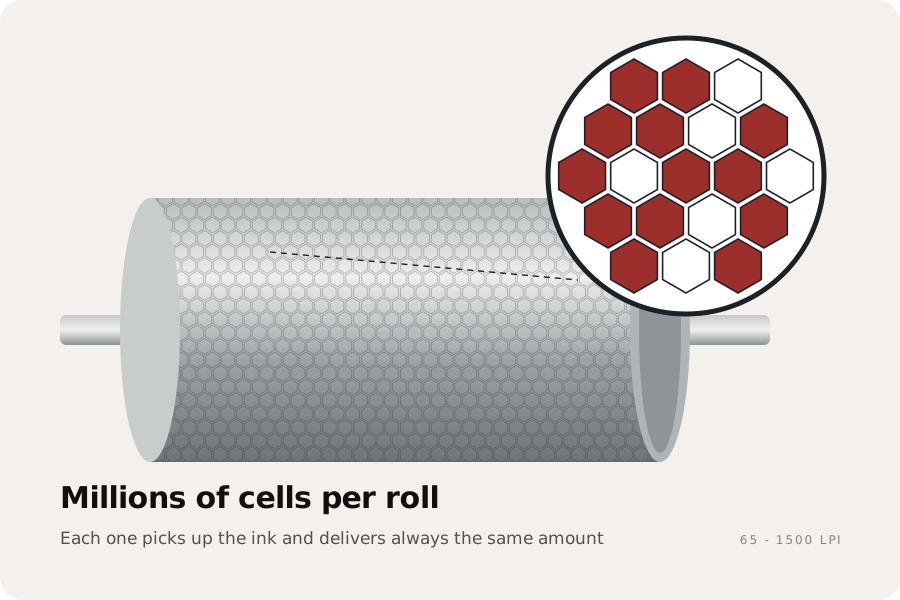
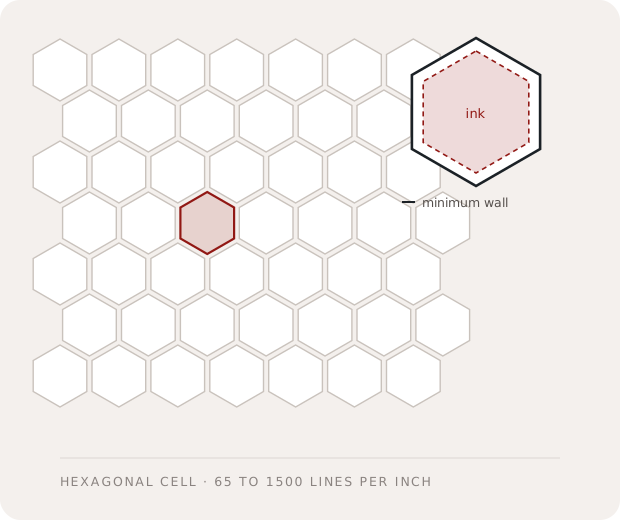
The hexagonal cell makes the best use of the cylinder surface: it leaves the least material between one cell and the next, so more ink fits in the same space and transfer is more efficient and more even.
The number of lines per inch determines how much ink is delivered. It ranges from 65 to 1500 lpi, depending on whether the job calls for solid coverage or fine halftone detail.
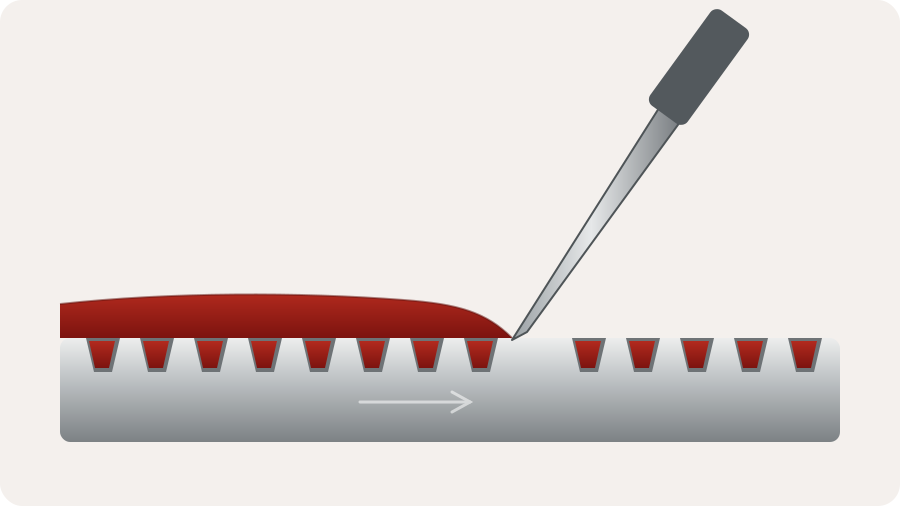
The roll is flooded with ink. Before it reaches the plate, the doctor blade wipes off everything left on the surface, so the only ink that carries on is the ink held inside the cells.
That is why an anilox meters: the amount is set by the volume of the cell and not by the operator, and it repeats the same on every revolution, from the first metre of the run to the last.
The hexagonal cell geometry transfers ink in the most efficient way and with maximum precision.
Halftone dot adjustment ranges from 65 to 1500 lines per inch.
Its reduced weight makes it easy to change, which you notice when there are many roller changes.
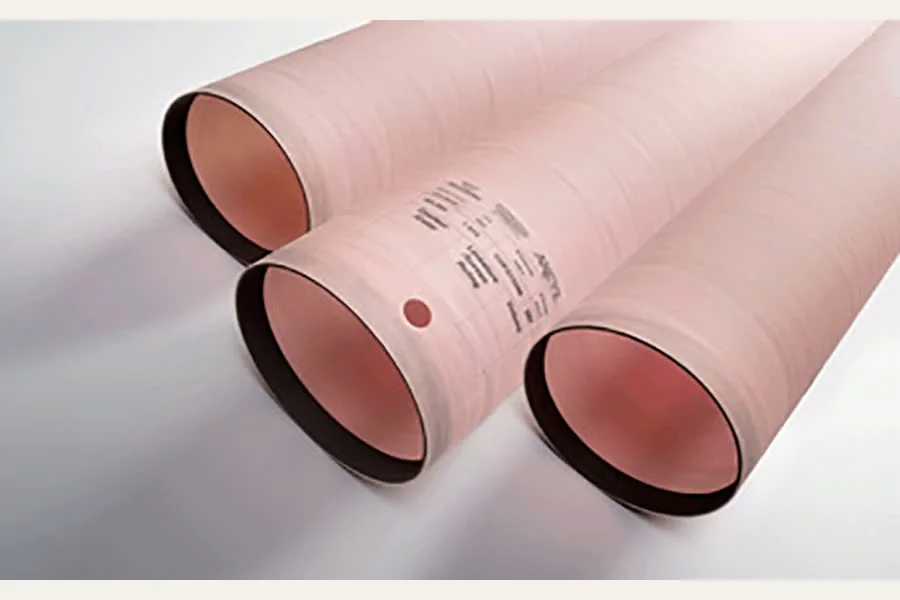
An anilox gets damaged more often outside the press than inside it. The covers protect it while it waits for its next job.
Tell us the job, the material and the press and we will tell you which screen ruling and cell volume suit you. We also re-engrave the anilox you already have.