Custom-designed and built for the most difficult materials
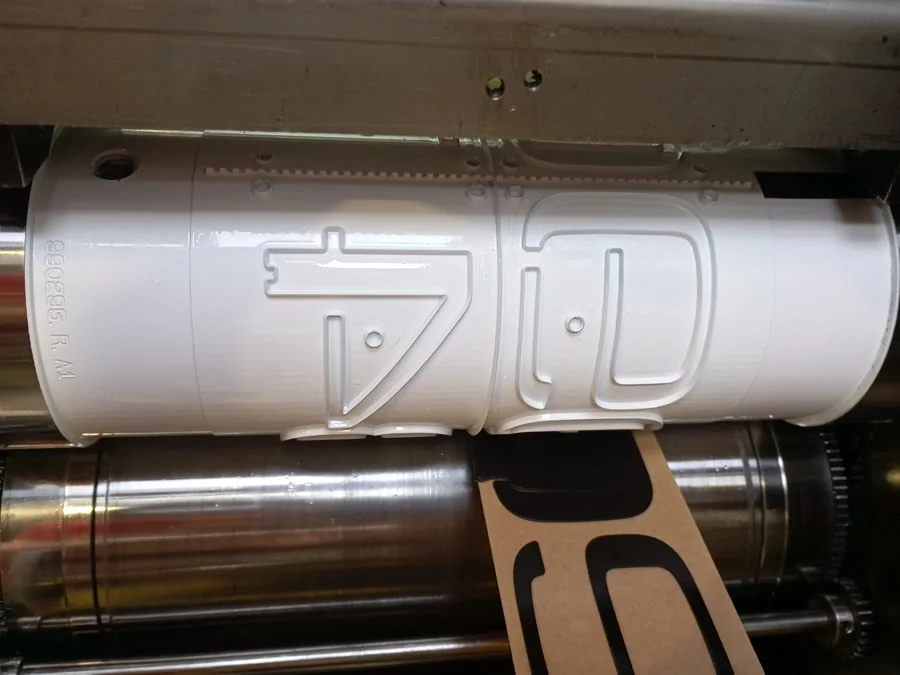
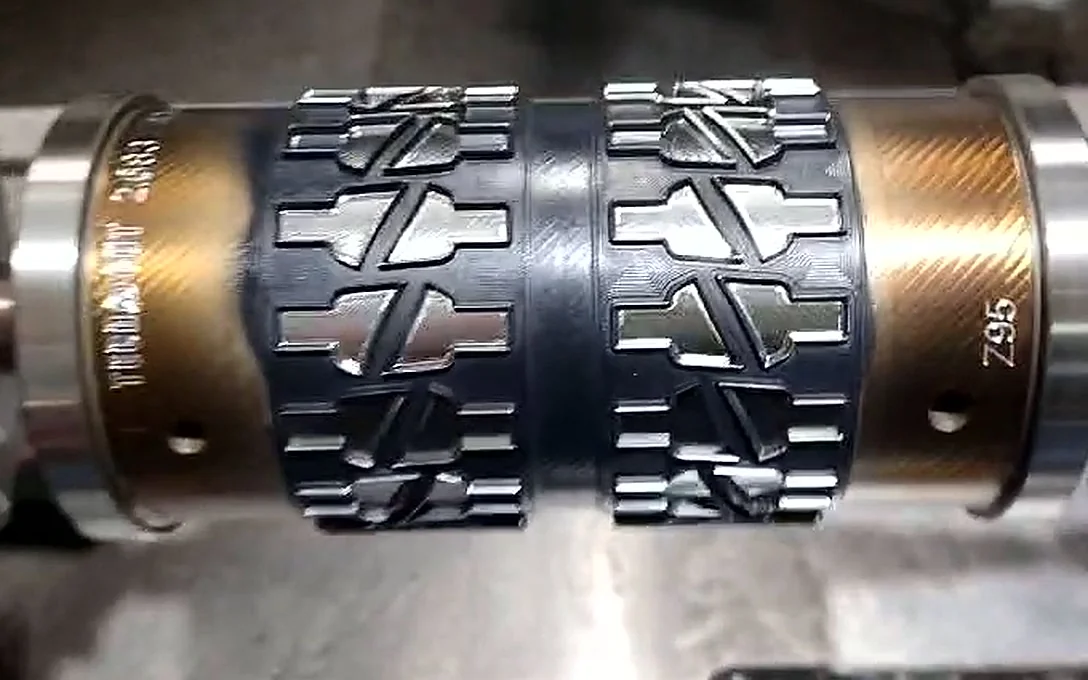
A rotary die is solid: it is CNC-machined from a single piece of steel, with the profile and height the job requires. We design and make it in our own workshop in Barcelona. It is the tool for long runs, difficult materials and shapes a flexible die cannot handle.
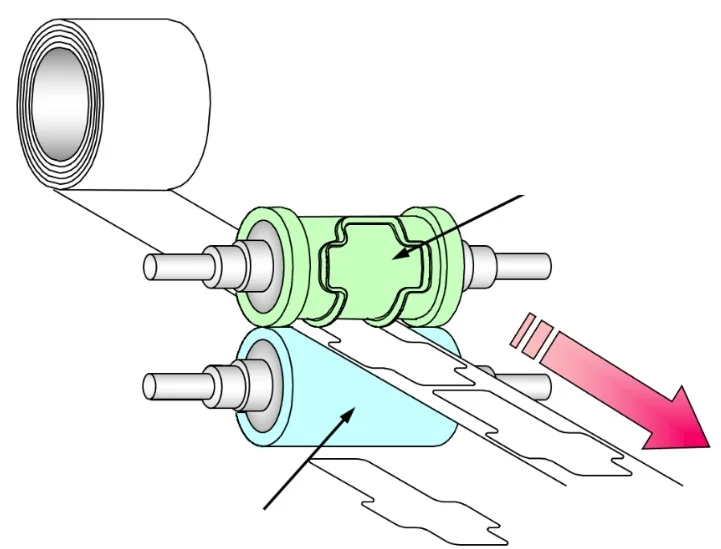
The web runs between two cylinders turning together: on top, the rotary die with its cutting contours; underneath, the anvil roll, which supports it. The blade cuts against it on every turn and the web comes out die-cut.
The difference between the two is not one of quality: it is one of material. A flexible die is a thin plate, and its profile height goes up to 1 mm. When the material is thicker, multi-layered or abrasive, that plate neither gives enough cutting height nor withstands the wear. That is where the solid cylinder comes in.
Because it is solid, the profile is machined to whatever height the job requires: it is not limited by the thickness of a plate. That is what makes it possible to cut multi-layer laminates.
It withstands wear and high pressure without losing its edge, where a thin plate would wear out in a few runs.
The solidity of the part allows continuous production while keeping the cut consistent from start to finish.
It can be reground several times over its life. A worn flexible plate is not resharpened: it is thrown away.
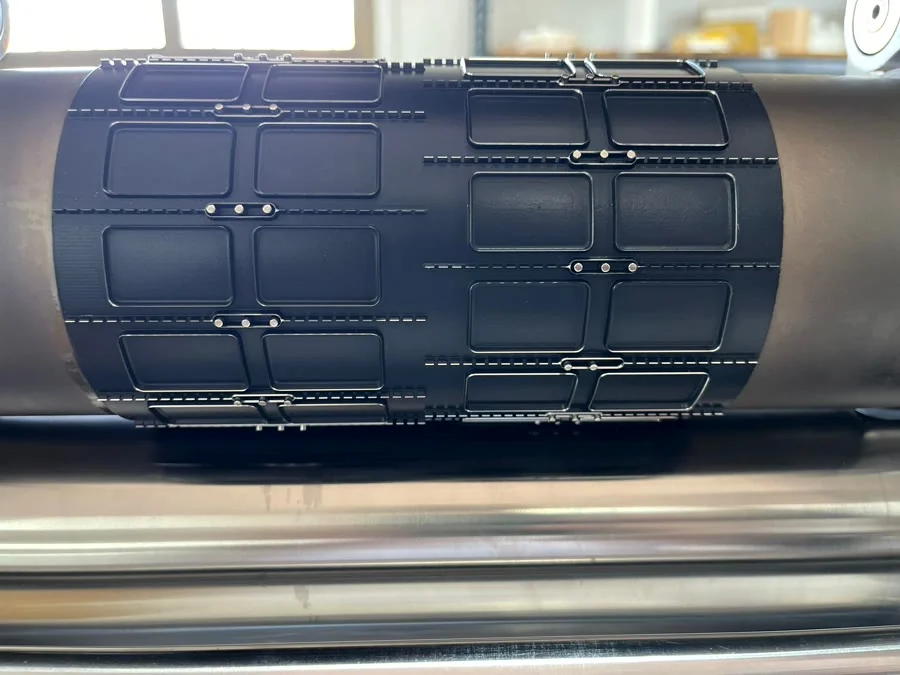
The cut is the same in all three. What changes is what happens to the waste: whether it falls out by itself, has to be pushed out or has to be sucked out.
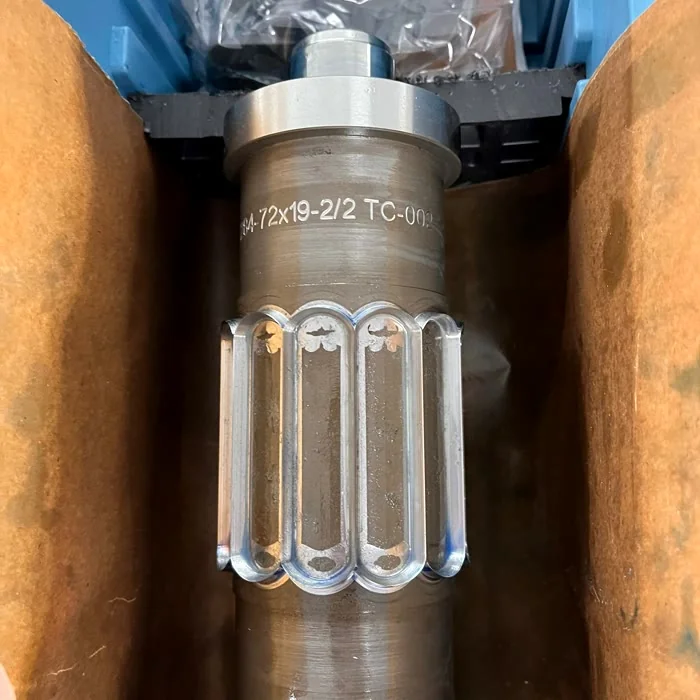
01 · Standard
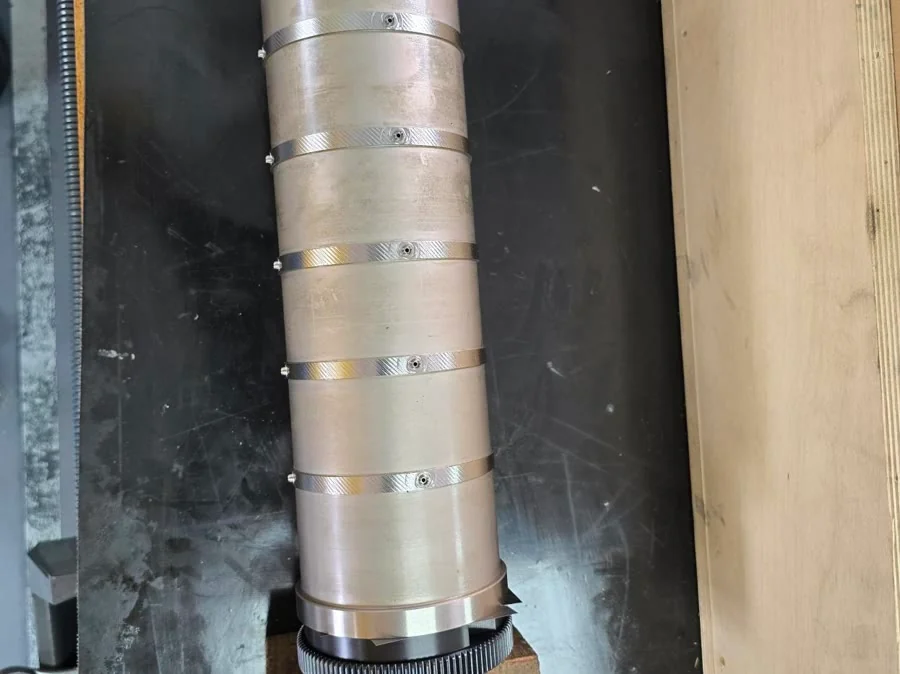
Built for long runs and all kinds of materials. It is the one that allows the most regrinds and resharpenings.
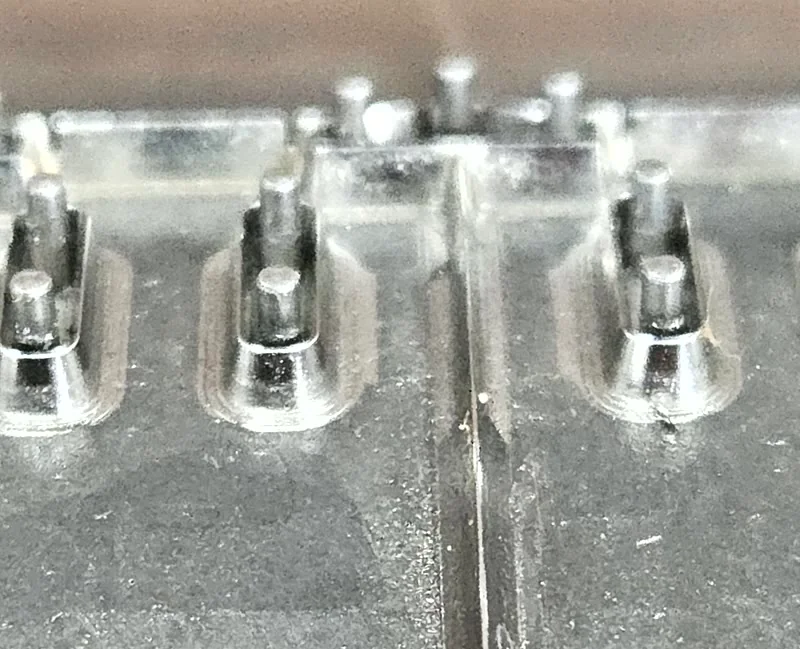
02 · Pin eject
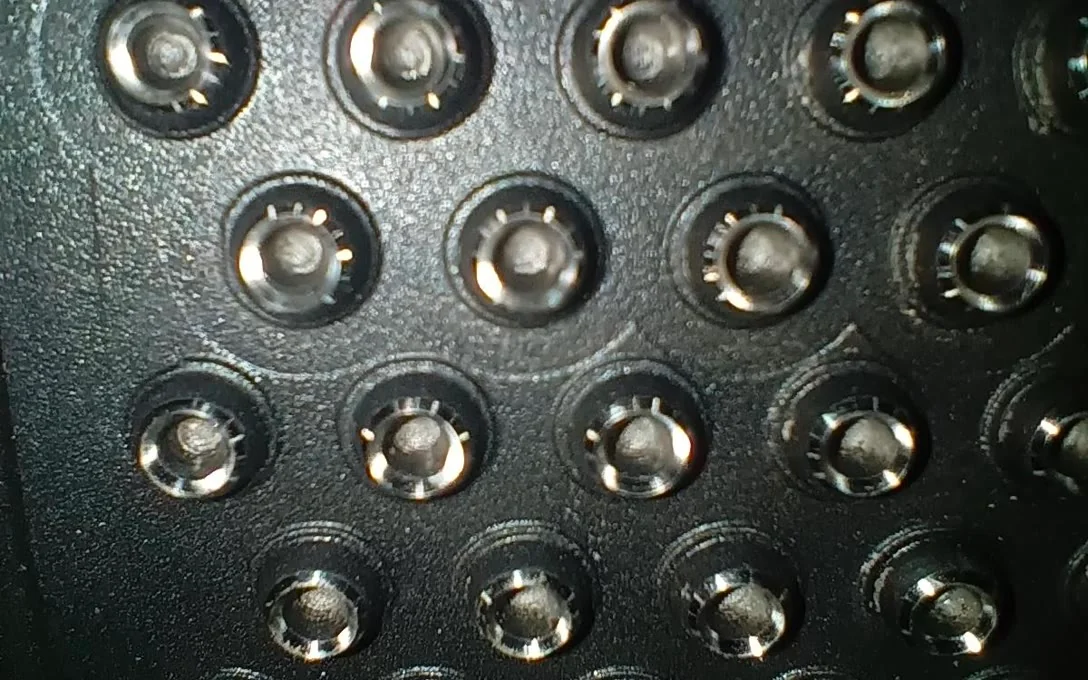
Inside the cutting contour there are pins that push the waste out and release it, so it doesn’t stay stuck inside the die.
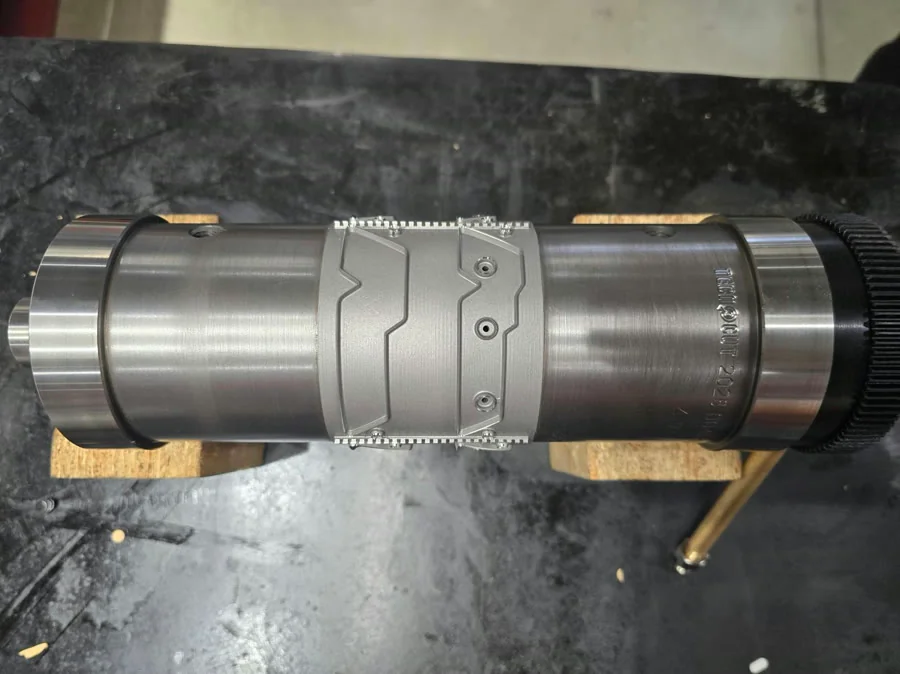
03 · Vacuum or air
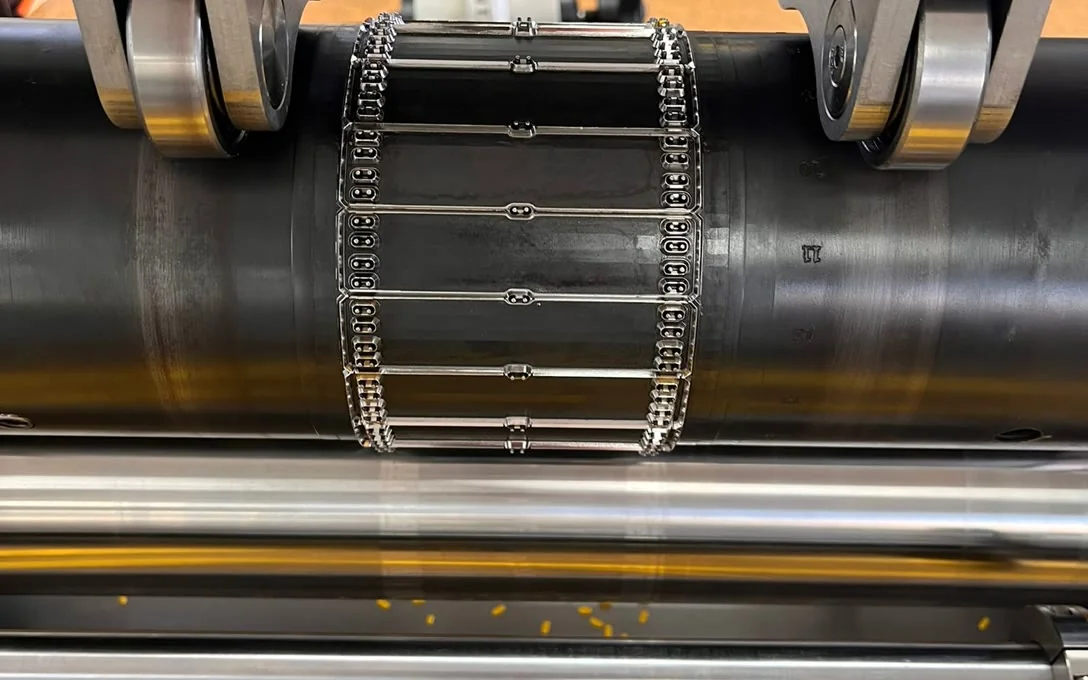
They handle the waste by vacuum or compressed air, with variable adjustment of the suction point through the air knife. Also available with rigid rubber inserts in the centre of the contour.
It is not a fourth type of die: it is a coating that can be applied to any of the three families. It stops adhesive and ink from sticking to the edge and the surface, which is what dirties the cut and forces you to stop the press to clean it.
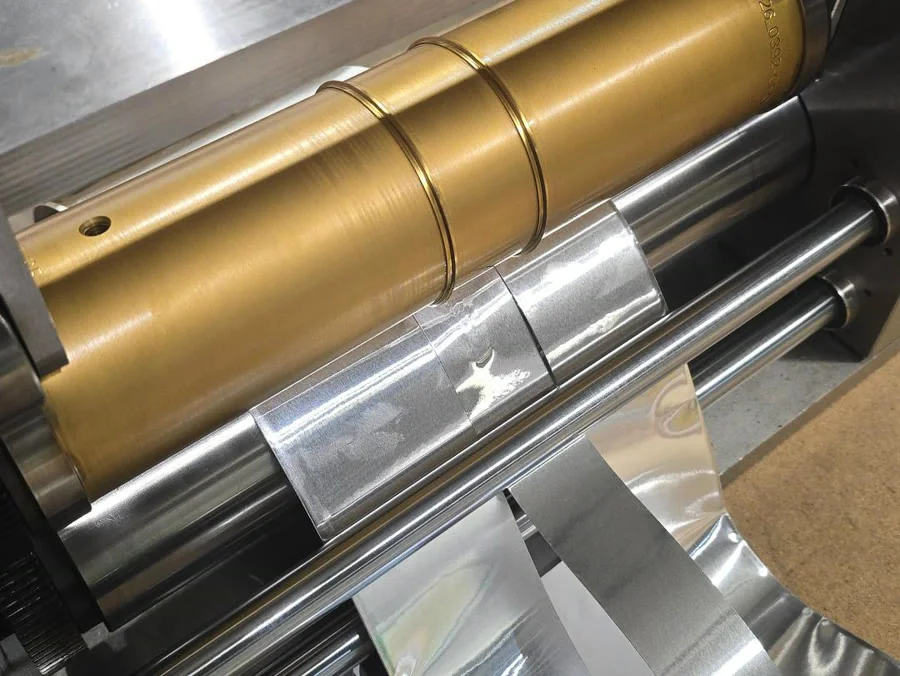
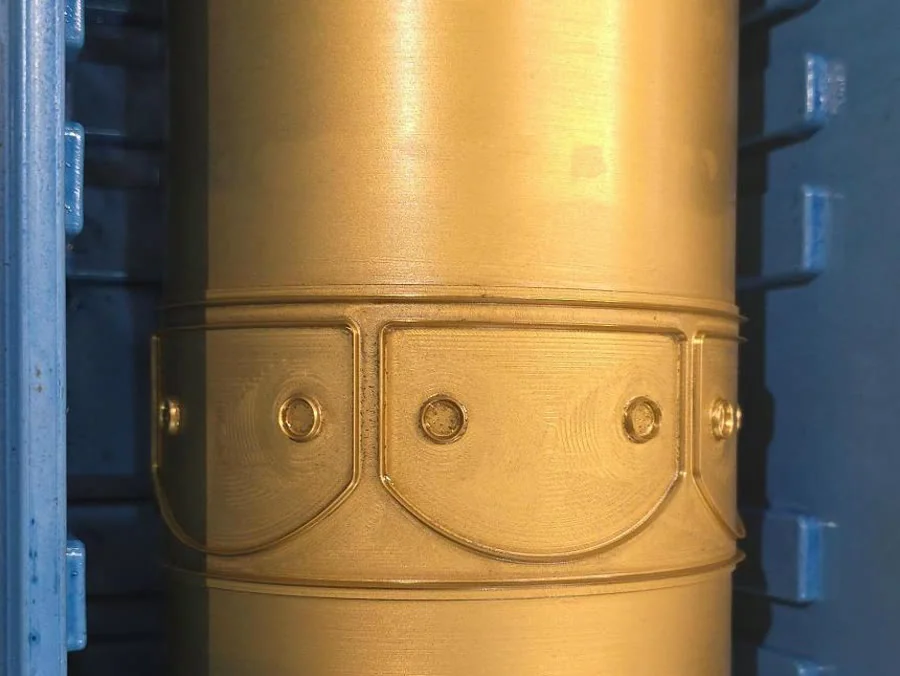
TiN is a ceramic coating applied to the die once it has been machined, and you recognise it on sight by its gold colour. It hardens the surface of the cutting edge and reduces friction, so the cut holds for more runs and the tool goes longer before it asks for a regrind. It is used above all with abrasive materials and laminates that wear fast, and like the other coatings it can be applied to any of the three families.
Available coatings: non-stick · hard · hard chrome · plasma · anti-adhesive
A worn rotary die does not always have to be replaced. We inspect it, resharpen it and recoat it in our own workshop, whoever made it. Before touching anything we measure the condition it arrives in and tell you whether it is worth recovering or whether it has nothing left to give.
Coatings below 0.7 µm make it an extremely precise tool.
CNC-machined one by one, according to the needs of each job.
The coating prevents corrosion and friction wear.
The solidity of the part and the protection of the coating allow higher cutting speeds.
With the material, the shape and the run length, we will tell you which family and which coating suits you.